Investing in Pokémon cards: the complete beginner's guide
Sealed product, single cards, graded slabs, card language, budget, price guides and common traps: everything to understand before putting your first euro into Pokémon cards, with no promise of easy profit.

Some links on this page are affiliate links: PikaRadar may earn a commission at no extra cost to you.
Why Pokémon cards became an asset class
Pokémon cards are no longer just a game or a childhood hobby. Part of the market now behaves like a genuine alternative asset market: thousands of daily sales on Cardmarket, eBay and TCGplayer, prices that move week after week, grading companies certifying condition, and sealed products that gain value once they leave store shelves.
Three forces drive this. Nostalgia first: the franchise turns 30 in 2026, and the kids of the 1990s and 2000s now have disposable income. Scarcity next: every set is only printed for a limited time, and mint copies become rarer as packs get opened. Finally, liquidity: unlike many collectibles, a popular Pokémon card can usually be sold within days.
That potential comes with a downside. Prices can fall sharply, fees eat into margins and counterfeits are common. Investing in Pokémon cards takes method, not just enthusiasm.
Four ways to invest: sealed, singles, graded and language
Before buying anything, pick a strategy. Each one follows its own rules.
- Sealed product: booster boxes, Elite Trainer Boxes, bundles and special collections. You buy an unopened product and bet on long-term scarcity. It is the easiest approach to understand, but it ties up capital for years. Our comparison sealed vs single cards covers the trade-offs in detail.
- Single cards (raw): you target the cards everyone wants, often the Special Illustration Rares of recent sets or established classics. No pack lottery, but condition matters enormously.
- Graded cards: a card authenticated and graded by PSA, CGC, PCA or Collect Aura, sealed in a protective slab. The grade locks in the condition and can multiply the value of a near-perfect card. See our guide to grading Pokémon cards.
- Card language: English, Japanese or French, the same card does not trade at the same price in every language. Always compare like for like: English prices in English card prices, French ones in French card prices, Japanese ones in Japanese card prices.
For a beginner, combining a little recent sealed product with a few key singles is often the best way to learn how the market works.
Set a budget and a time horizon first
Rule number one: only invest money you will not need for several years. The Pokémon card market offers no guarantees. It can stay flat for long periods, and selling in a hurry almost always means selling cheap.
Then decide on your horizon:
- Short term (weeks to months): speculating on new releases and flipping hot cards right after a set launches. This is the riskiest and most time-consuming approach.
- Medium term (one to three years): chase cards from sets that are no longer being printed, and cards worth sending for grading.
- Long term (five years and more): sealed product stored properly, and iconic cards in excellent condition.
Diversify. Putting your whole budget into a single card or a single set exposes you to a sudden reversal. Several reasonably sized positions beat one big bet.
Reading prices and following the market
A market price is not a guaranteed sale price. It is an estimate of what a card actually sells for, based on recent sales and current listings. Our PikaRadar methodology page explains how we build our figures.
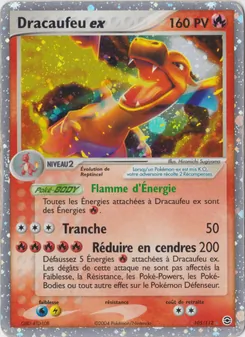
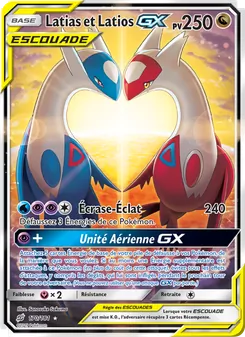
Volatility can be high, even for very expensive cards. At the time of writing, our database shows it clearly for French copies: Charizard ex 105 from EX FireRed & LeafGreen is up roughly 147% over 30 days, while Latias & Latios GX 170 from Team Up is down roughly 65% over the same period. An expensive card is not necessarily a stable one.
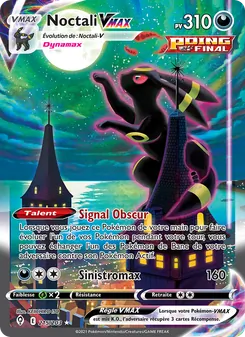
To follow the market day to day, three tools help: the PikaRadar Index for the overall trend, the trends page for the biggest risers and fallers, and the card price pages to check a specific card before buying.
Where to buy and where to sell
In Europe, Cardmarket is the go-to marketplace for singles: deep supply, rated sellers and filters by language and condition that make precise comparisons possible. eBay remains strong for graded cards and international sales, and TCGplayer is the reference in the United States. Local game stores and conventions let you inspect cards in hand before paying.
For new sealed product, watch release prices and restocks: buying at retail and waiting usually beats paying a premium on the secondary market. Our deals page and the release calendar help you plan ahead.
When selling, always count the costs: platform fees, tracked shipping and protective supplies. On small amounts, these can wipe out the entire gain. Depending on where you live, profits from selling collectibles may also be taxable, so check the rules that apply to you once your volumes grow.
Protect what you buy
A damaged card loses much of its value. A scratch, a whitened corner or a slight bend is enough to drop a grade. As soon as it arrives, a valuable card should go into a sleeve and then a toploader or a quality binder, away from light and humidity.
Sealed product needs care too: a torn shrink wrap or a dented box lowers the resale price. Store boxes in rigid protective cases, flat and dry, and never stack them so high that the bottom ones get crushed.
The risks you need to accept
- Reprints: The Pokémon Company can reprint a popular set, which slows down price growth for its sealed product and cards.
- Counterfeits: they target singles and sealed product alike, including resealed boxes. Buy from rated sellers and learn the basic checks: card stock, print quality, font and holo pattern.
- Uneven liquidity: very expensive cards attract fewer buyers, and a quick sale usually happens below market price.
- Hype cycles: a Pokémon or an artwork can go from craze to indifference within months.
- Hidden costs: fees, shipping, grading and insurance all add up.
Your action plan to get started
- Set a budget you can comfortably lock away for several years.
- Choose one main strategy (sealed, singles or graded) and one language.
- Follow prices and trends for a few weeks before buying, to get a feel for real prices.
- Start small, with a few products or cards you understand well.
- Protect and log every purchase with its date and price.
- Review your portfolio regularly without reacting to every short-term move.
Pokémon cards can be an enjoyable and sometimes profitable investment, as long as you treat them as a real market: with patience, reliable data and strict discipline on the prices you pay.


